Atlantic Cod and Cobia Caught in Rye NH
Cod and Cobia Fishing in Rye - What to Expect

Fishing Charter by Captain Matthew Krajewski in October
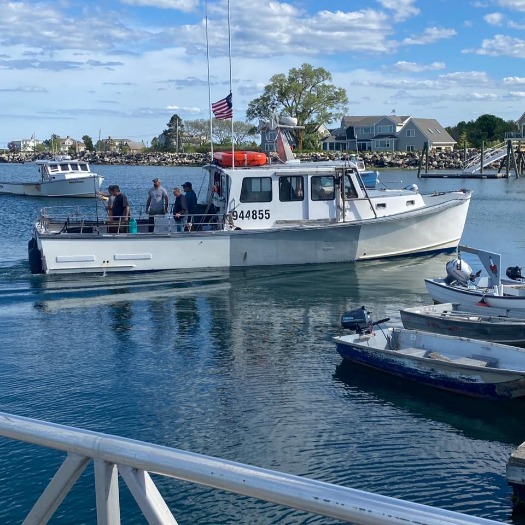
- Top Atlantic Ocean Fishing in Rye, NH


Summary
Join a fishing charter in Rye, NH on this Tuesday in October for an opportunity to catch Atlantic cod and cobia. This guided fishing experience showcases the productive waters off the New Hampshire coast, where both species thrive in different seasonal patterns. With Captain Matthew Krajewski of Tontine Fishing Charters, anglers gain access to proven fishing grounds and local expertise.
Fishing Charter with Captain Matthew Krajewski - Rates & Booking
Captain Matthew Krajewski of Tontine Fishing Charters operates out of Rye, NH, offering dedicated fishing charters targeting the productive offshore and nearshore waters of the New Hampshire coast. On this Tuesday in October, the charter successfully landed both Atlantic cod and cobia, demonstrating the quality of fishing available through the season.
To book your fishing charter with Captain Krajewski, contact Tontine Fishing Charters directly to discuss trip dates, group size, and specific target species. Fishing charters in this region typically include all necessary tackle and safety equipment, with anglers responsible for their own fishing licenses. Local expertise and knowledge of current conditions are key advantages of working with an experienced guide.
Local Species Insights: Atlantic Cod and Cobia
Atlantic cod is a demersal species that thrives in the cold, nutrient-rich waters off New England. These fish are bottom-dwellers, typically found at depths ranging from 200 to 600 feet, though they move into shallower waters during cooler months. Cod are opportunistic feeders with strong predatory instincts, responding well to natural baits and jigs that mimic their prey. Understanding their depth preference and feeding behavior is essential for consistent success on the water.
Cobia, by contrast, are migratory pelagic fish that follow seasonal patterns of movement. They are strong swimmers often found in coastal waters and around structure, including wrecks and reef systems. Cobia are aggressive predators known for their powerful runs and fighting ability. Unlike cod, which school in deep offshore zones, cobia often hunt in more dynamic, varied habitats. The presence of both species on a single charter reflects the diverse fishing opportunities available off Rye throughout the year.
The waters off Rye, NH provide a unique confluence of conditions that support these species. The Gulf of Maine current system delivers nutrients and forage fish that attract larger predators. Seasonal water temperature changes trigger migration patterns, making autumn and spring particularly productive fishing periods. Local guides like Captain Krajewski time charters around these seasonal movements to maximize your chances of success.
Fishing for these species requires different approaches and expectations. Cod fishing emphasizes vertical jigging and bottom presentations, rewarding patience and precise depth control. Cobia fishing is more dynamic, often involving sight fishing and actively covering water. Both require quality tackle and an understanding of how each species behaves in response to bait, lures, and environmental conditions. Learning these distinctions enhances your overall fishing experience and your ability to adapt to changing water conditions.
Plan Your Rye Fishing Charter Day
A typical fishing charter from Rye begins early, allowing time to reach productive fishing grounds as light increases. Morning departures take advantage of peak feeding periods for both cod and cobia. The vessel will be equipped with essential fishing tackle, safety gear, and navigation equipment. Dress in layers, as conditions change rapidly on the water, and bring polarized sunglasses to reduce glare and improve sight-fishing ability.
Most charters accommodate 4-6 anglers, though groups can vary. Bring your own fishing license or arrange one before departure. Water conditions, recent catch reports, and seasonal patterns guide the captain's choice of fishing locations. Whether targeting deep cod or hunting cobia in shallower, structure-rich zones, the day unfolds based on real-time feedback from other boats and current conditions.
Fishing in Rye: Atlantic Cod and Cobia
Atlantic Cod Overview
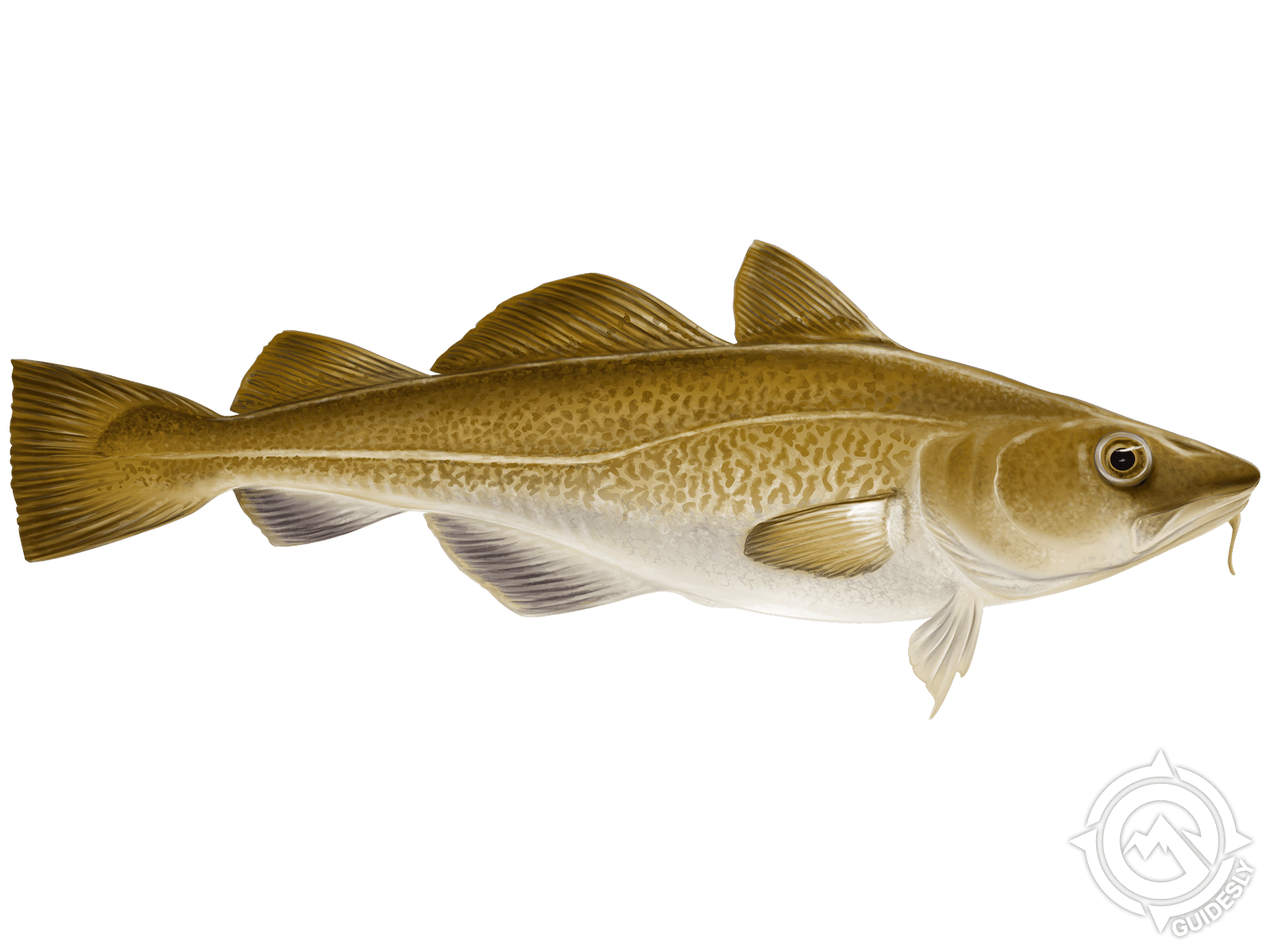
The Atlantic Cod (Gadus morhua) is one of the most iconic and commercially important saltwater gamefish in the Atlantic Ocean. Belonging to the family Gadidae and order Gadiformes, this species has shaped the history of North American and European civilization for centuries. Instantly recognizable by its distinctive white lateral lines, oversized head, blunt snout, and characteristic barbel (whisker-like appendage) beneath its lower jaw, the Atlantic Cod is a prized catch for both recreational and commercial anglers. Its color varies dramatically based on habitat, ranging from light yellowish-green to vibrant red and olive tones, with uneven spots dotting the head, body, tail, and fins—though its belly typically remains light colored. What makes this fish truly special is not just its delicate flavor and moist, flaky texture, but also its cultural significance as a cornerstone species in early American and European exploration and settlement.
Whether you're fishing off the Maine coast or exploring Atlantic waters near Massachusetts, encountering an Atlantic Cod represents a direct connection to centuries of maritime tradition and culinary excellence.
Atlantic Cod Habitat and Distribution
Atlantic Cod thrive in cool temperate waters across the Atlantic Ocean, preferring temperatures between 0 to 20 degrees Celsius. As benthopelagic fish, they predominantly inhabit areas near the ocean floor, favoring rocky and sandy environments where they can hunt and hide. However, these adaptable fish will also venture into midwaters or near the surface when pursuing food sources. They typically inhabit depths ranging from 500 to 600 meters near coastlines but are equally comfortable traveling through open ocean waters and even brackish coastal regions.
In the United States, Atlantic Cod populations concentrate off the shores of Maine and Massachusetts, particularly in the renowned fishing grounds of Georges Bank and the Gulf of Maine. Anglers can also find productive populations as far south as Cape Hatteras, North Carolina, where these fish remain abundant year-round. The species' wide distribution across the Atlantic extends from the East Coast of North America through Greenland, Iceland, and along the coasts of Western Europe, making it a truly pan-Atlantic species accessible to anglers across multiple continents.
Atlantic Cod Size and Weight
While the average Atlantic Cod grows to impressive proportions of 2 to 4 feet in length and weighs up to 88 pounds, exceptional specimens far exceed these typical dimensions. The largest Atlantic Cod on record stretched five feet long and weighed an astounding 103 pounds—a magnificent fish landed by recreational angler Michael Eisele of Kiel, Germany, off the Norwegian island of Soroya. Most recreational anglers can realistically expect to encounter fish in the 48 to 60-inch range, making for exciting and manageable battles with appropriate tackle.
Beyond sheer size, these fish are capable swimmers, reaching moderate speeds of 8.3 to 21.3 inches per second, allowing them to cover significant distances in search of food and during spawning migrations. Their lifespan extends up to 30 years in the wild, meaning larger specimens you encounter have survived decades of fishing pressure and environmental challenges.
Atlantic Cod Diet and Behavior
Young Atlantic Cod begin their lives as drift-feeding larvae, consuming small crustaceans as they develop in open ocean waters. As they mature into juveniles and adults, their diet shifts dramatically toward a preference for smaller fish species, particularly herring, capelin, and sand eels. However, these opportunistic feeders remain flexible hunters, regularly consuming crabs, shrimp, worms, and other available prey when their preferred fish are scarce.
Atlantic Cod exhibit fascinating color-changing abilities, adapting their appearance to match their immediate surroundings and habitat—a behavior that aids in both hunting and predator avoidance. They are relatively sedentary compared to pelagic species, preferring to remain near structured ocean floor environments where they can ambush passing prey. Their notable barbel serves as a sensory organ, helping them locate food along the seafloor where visibility may be limited. These fish demonstrate seasonal movement patterns, congregating in specific spawning areas during winter months and dispersing to feeding grounds throughout warmer seasons.
Atlantic Cod Spawning or Seasonal Activity
Atlantic Cod spawn between January and April, representing one of the most critical periods in their life cycle. During spawning season, females produce an extraordinary number of eggs—up to five million per spawning event—ensuring species propagation despite heavy fishing pressure. This reproductive abundance has historically made the species resilient, though modern overfishing has challenged even this remarkable fecundity.
After hatching, larvae drift with ocean currents in pelagic zones before settling into benthic (bottom-dwelling) habitats as they grow. Adult fish exhibit predictable seasonal movements, typically gathering in deeper offshore waters during winter spawning months before migrating to shallower feeding grounds in spring and summer. Understanding these seasonal patterns is crucial for both conservation efforts and successful angling strategies throughout the calendar year.
Atlantic Cod Techniques for Observation or Capture
Method 1: Natural Bait Fishing from Offshore Vessels
Most successful Atlantic Cod anglers employ live or dead natural baits from anchored or drifting boats in offshore waters. Highly effective bait options include squid strips, fish strips, crabs, sand eels, and capelin, as well as clams, mussels, shrimp, and octopus. The key is matching local prey availability—if herring are abundant in your fishing area, herring strips will outperform other baits. Target depths of 300-600 feet along rocky structure and ledges. Around Maine and Massachusetts fishing grounds near Georges Bank, early morning tides combined with squid strip baits produce exceptional results. Pair your natural baits with 16-ounce bouncing sinkers to maintain bottom contact while drifting or anchoring.
Method 2: Artificial Lure Jigging
Many anglers achieve success with chrome diamond jigs, metal spinners, bucktails, spoons, and shiny metal squids that mimic natural prey species. Vertical jigging along structure produces violent strikes, particularly during feeding windows around tide changes. Work these lures with rhythmic up-and-down motions near the seafloor where Atlantic Cod patrol. The flash and vibration of quality metal lures trigger aggressive strikes even in lower visibility conditions common in offshore Atlantic waters.
Method 3: Seasonal Structure Fishing
Scout productive fishing zones during pre-season planning by identifying rocky outcrops, shipwrecks, and natural ledges where Atlantic Cod congregate year-round. Winter spawning aggregations can result in incredible catch rates if you locate these concentrated populations. Summer feeding migrations bring fish into slightly shallower zones where they pursue small fish around rocky structure and drop-offs. Summer months typically offer the most accessible fishing from shore-based locations and smaller boats.
Essential Gear Recommendations
Deploy a 50-pound class rod paired with 30 to 50-pound braid line to handle the power and stubbornness of trophy-class Atlantic Cod. Braid offers superior sensitivity for detecting bottom strikes and provides strength for deep-water hook-sets. The combination of heavy-duty rod and line ensures you can confidently work bottom-bounce techniques and maintain control during extended fights with 80+ pound specimens.
Atlantic Cod Culinary or Utilization Notes
The Atlantic Cod has earned its reputation as one of the world's finest table fish for compelling reasons. Its delicate, mild flavor profile and moist, flaky texture make it extraordinarily versatile in the kitchen—equally exceptional when pan-seared with lemon butter, beer-battered and fried, or gently poached. As a lean white fish, it provides excellent nutritional benefits including high-quality protein, omega-3 fatty acids, and essential vitamins and minerals while remaining relatively low in calories.
Historically, Atlantic Cod served as a critical food source for Native Americans and early European settlers, earning recognition as an important driver of New World civilization. Centuries of commercial fishing—from salt-cod production to modern fresh fish markets—have maintained this species' prominence in global cuisine.
However, it's crucial to note that Atlantic Cod is now considered vulnerable to extinction due to overfishing and climate change impacts. NOAA Fisheries' 10-year rebuilding program implemented in 2014 includes strict regulations: annual catch limits, size restrictions, and seasonal area closures designed specifically to allow populations to recover. Before keeping your catch, consult current local regulations regarding size and bag limits—conservation-minded anglers play a vital role in this species' recovery while still enjoying responsible harvests.
Atlantic Cod Frequently Asked Questions
Q: What is the best bait for catching Atlantic Cod?
A: Live or dead natural baits produce the most consistent results. Fresh squid strips, capelin, sand eels, and herring are top choices, particularly when locally abundant. Match your bait selection to prey species active in your specific fishing area. Clams and mussels also attract aggressive strikes, especially in sandy bottom zones.
Q: Where can I find Atlantic Cod near Maine or Massachusetts?
A: Georges Bank and the Gulf of Maine represent premier Atlantic Cod fishing destinations off Maine and Massachusetts. Fish depths of 300-600 feet along rocky structure, ledges, and natural drop-offs. Additionally, productive populations extend southward to Cape Hatteras, North Carolina, offering year-round opportunities for dedicated anglers.
Q: Is Atlantic Cod good to eat?
A: Absolutely—Atlantic Cod offers excellent eating quality with delicate, mild flavor and moist, flaky texture. Its lean white meat is versatile, suitable for virtually any cooking method from frying to baking. However, respect current catch limits and size regulations, as the species is recovering from decades of overfishing.
Q: When is the best time to catch Atlantic Cod?
A: Atlantic Cod spawn during winter months (January-April), concentrating in predictable areas during this peak season. Summer months (June-September) offer excellent accessibility and feeding activity as fish migrate to shallower grounds. Spring and fall transitions can produce exceptional results as fish move between seasonal zones.
Q: What gear do I need for Atlantic Cod fishing?
A: Deploy a 50-pound class rod with 30 to 50-pound braid line, 16-ounce bouncing sinkers, and appropriate tackle for offshore boat fishing. Quality fish-finder technology helps locate productive structure and bottom composition. Ensure your rod and reel combination can handle the fighting power and depth requirements of Atlantic waters.
Q: How long do Atlantic Cod live?
A: Atlantic Cod can live up to 30 years in the wild, meaning exceptional specimens you encounter represent decades of survival through fishing pressure and environmental challenges. Their remarkable longevity contributes to their impressive size potential, with some individuals reaching over 100 pounds after multiple decades of growth.
Cobia Overview
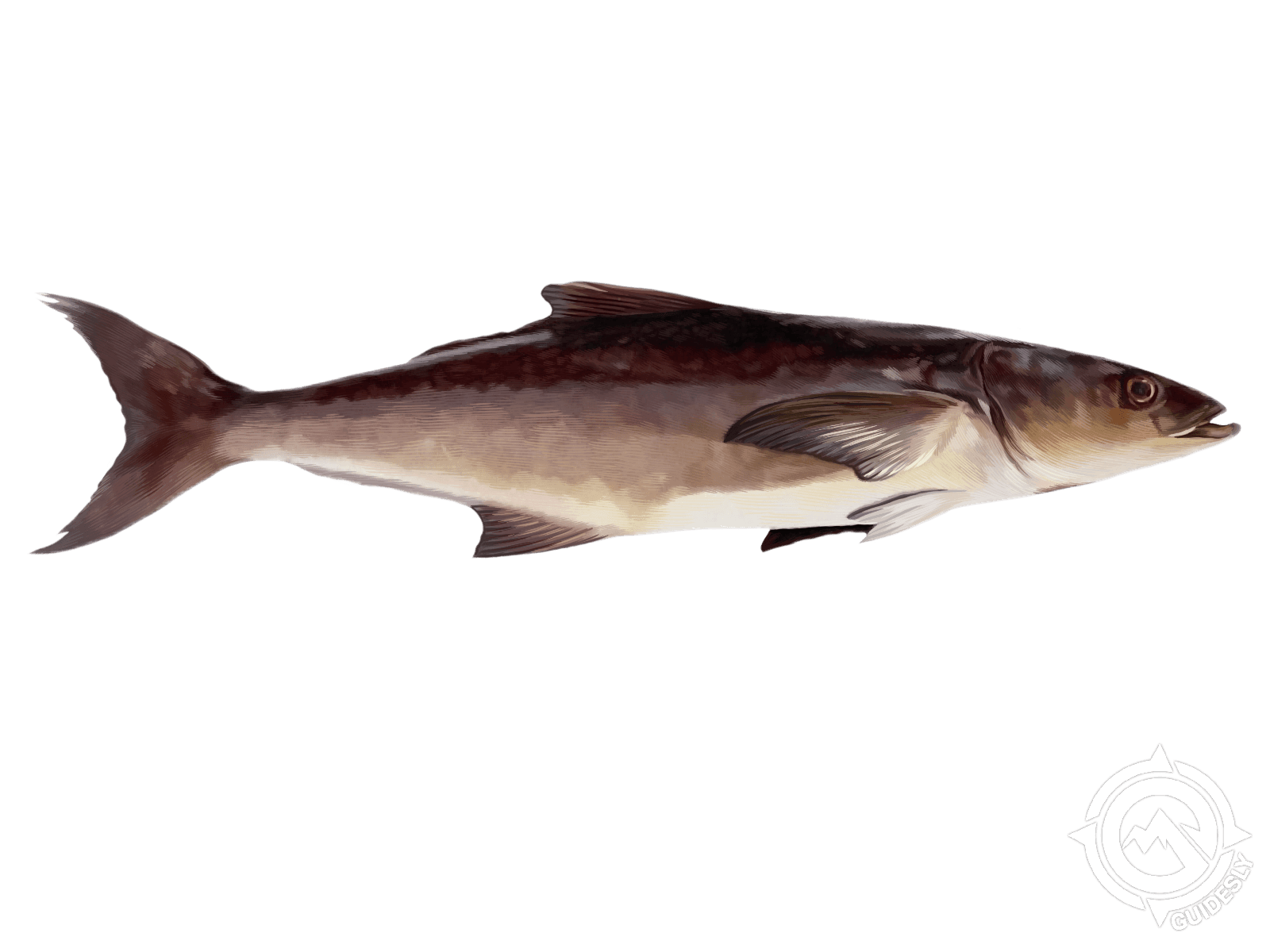
The Cobia (Rachycentron Canadum) is a remarkable and solitary predator belonging to the family Rachycentridae and order Perciformes. This dark brown fish with a distinctive lighter belly is often mistaken for a shark due to its single dorsal fin, making it one of the most visually intriguing species to encounter whether you're fishing off the coast of Florida or exploring offshore structures in the Gulf of Mexico. What makes the Cobia truly special is that it's the only member of its family found in North American waters, and juvenile fish display absolutely stunning colorations with black and white stripes accented by orange, bronze, and green splashes. Anglers and seafood enthusiasts alike prize this species for its aggressive predatory behavior, firm meat texture, and excellent flavor, making it a genuine prize catch for both sport and culinary purposes.
The Cobia's solitary nature sets it apart from most game fish—they don't school except during spawning season, which means every encounter feels like a personal victory. This behavior has made them impossible to target commercially through traditional net fishing, so nearly all Cobia sold in restaurants comes from aquaculture operations, often commanding premium prices. If you're seeking an exciting fishing experience with a fish that's both challenging to locate and absolutely delicious, the Cobia should be high on your list.
Cobia Habitat and Distribution
Cobia thrive in warm temperate and tropical waters throughout the Atlantic Ocean, Caribbean Sea, Indian Ocean, and Pacific coastal regions near Australia and Japan. In North America, they're most abundant from Virginia down through the Gulf of Mexico, with seasonal migrations that create predictable fishing opportunities. These fish are overwhelmingly pelagic—meaning they inhabit the upper ocean layers—yet they'll venture into estuaries and mangrove systems when hunting for food. While typically found at depths of 30 feet or less during spring migrations, they can descend to 300 feet, particularly around offshore oil rigs and deep-water structures.
You'll find Cobia congregating around reefs, wrecks, buoys, harbors, and man-made structures that provide shelter and concentrate prey. During late fall and winter, Atlantic populations migrate south and offshore toward warmer waters, while those found in the northeastern Gulf of Mexico during summer months move into south Florida waters and the Florida Keys. Their ability to inhabit a wide range of temperatures and salinities makes them adaptable hunters, yet they remain faithful to structural habitats that offer hunting advantages. Current breaks and rip lines created by these structures are particularly productive zones where fish gather to feed.
Cobia Size and Weight
An average adult Cobia reaches approximately 6 feet in length and weighs around 100 pounds, making them a substantial and respectable catch for any angler. The size range you're likely to encounter spans from 24 inches on the smaller end to 79 inches for truly trophy specimens, with weights varying from 10 pounds for smaller juveniles to impressive 80-pound-plus fish in peak condition. The largest Cobia ever landed on a rod and reel was caught in Shark Bay, Australia, and tipped the scales at a remarkable 135 pounds—a testament to the species' potential for growing quite large in ideal conditions. These fish typically live up to 12 years in the wild, giving them plenty of time to develop into formidable predators that test the skills of experienced anglers.
Cobia Diet and Behavior
Cobia are strong, aggressive predators with a diverse diet centered primarily on crustaceans, though they'll readily consume smaller fish and squid when available. Their feeding strategy is opportunistic and forceful—they actively hunt by sight and actively pursue prey with considerable speed and power. As solitary hunters, they don't rely on schooling behaviors to corner prey; instead, they position themselves around structures and current breaks where prey naturally concentrates. Young Cobia face predation pressure from larger pelagic fish, which helps regulate population dynamics in their ecosystems.
The solitary nature of Cobia makes them fascinating from a behavioral standpoint. Except during spawning seasons, they remain spread out and rarely concentrate together, which is why you'll seldom see a group of them clustered in one area. This individualistic behavior means anglers must rely on sight-fishing techniques or deep structural knowledge rather than simply casting into schools. Their strong, intelligent predatory instincts make them exciting to pursue—they're not passive feeders but active hunters that respond decisively to properly presented lures and baits.
Cobia Spawning and Seasonal Activity
Cobia mature relatively young compared to many ocean fish—females reach sexual maturity at age 3, while males mature at age 2. The spawning season varies by geographic location, occurring from June to August in the Southeast US and shifting to August through October in the Gulf of Mexico. During their spawning periods, these fish congregate in coastal bays and estuaries, creating reliable fishing opportunities for anglers who time their trips correctly. Females release an astonishing up to 2 million eggs each time they spawn, though they spawn multiple times throughout the season, ensuring significant reproductive output.
The spring migration period is particularly productive for anglers, as fish move from deeper winter habitat into shallower spawning grounds. This predictable movement creates concentrated fishing opportunities in traditional hotspots. After spring spawning migrations conclude, Cobia disperse to reef and wreck structures that serve as their summer haunts. Understanding these seasonal movements is crucial to successful Cobia fishing—spring migrations and spawning periods concentrate fish in specific locations, while summer and fall fishing requires more detailed knowledge of structural habitats where solitary fish hide and hunt.
Cobia Techniques for Observation and Capture
Sight Fishing During Migrations: During the spawning season and spring migration periods, target Cobia in water depths around 30 to 70 feet by sight fishing—looking for the fish just below or breaking the water's surface. This technique is thrilling because you'll often see the fish before casting, allowing you to make precise presentations. Polarized sunglasses are essential for spotting these distinctive silhouettes. Around coastal Florida and the Gulf of Mexico during peak season (spring months), you might spot Cobia cruising near the surface hunting for baitfish, presenting incredible visual fishing opportunities.
Structure-Based Fishing: After spring spawning migrations conclude, shift your focus to reefs, wrecks, and other structural features where Cobia spend their summer months. Look specifically for rip lines or current breaks created by these structures—these are prime feeding zones where fish concentrate to ambush passing prey. Jigs in the 4 to 8 ounce range are the most popular lures for structure fishing, though don't hesitate to experiment with lighter jigs in shallower areas. Cast your jig near the structure and work it through the water column with steady, deliberate movements.
Lure Selection and Presentation: Cobia respond well to various lures including crankbaits, topwater plugs, jigs, and imitation eel baits, though bucktail jigs remain the most reliable choice, especially around reefs and structures. Interestingly, color doesn't seem to matter nearly as much as many anglers believe—experienced guides report consistent success with virtually all color combinations. The key is presenting your lure with confidence in the right habitat at the right time, allowing the lure's action and vibration to trigger aggressive strikes from these predatory fish.
Cobia Culinary and Utilization Notes
Cobia is prized as excellent table fare, valued for its firm texture, white meat, and outstanding flavor that appeals to both home cooks and professional chefs. The fish's culinary qualities have made it increasingly important to the seafood industry, with farm-raised operations now supplying most commercial markets. Because wild Cobia are solitary and difficult to catch commercially through conventional fishing methods, virtually all restaurant-quality Cobia comes from aquaculture operations, which explains its typically premium pricing on seafood menus. The firm flesh holds up beautifully to grilling, baking, pan-searing, or poaching, and the mild, slightly sweet flavor pairs well with classic seafood preparations and lighter sauces.
From a nutritional standpoint, Cobia provides excellent protein content and healthy omega-3 fatty acids, making it a nutritious choice for health-conscious diners. The meat's natural succulence means minimal fat addition is needed during cooking, allowing the fish's pure flavor to shine through. Whether you're catching your own or purchasing from a quality seafood vendor, Cobia delivers a memorable eating experience that justifies the effort required to pursue this challenging and rewarding species.
Cobia Frequently Asked Questions
Q: What is the best bait or lure for catching Cobia?
A: Bucktail jigs in the 4 to 8 ounce range are the most popular and productive choice, especially around reefs and structures. However, Cobia also respond well to crankbaits, topwater lures, and imitation eel baits. Interestingly, color doesn't seem to significantly impact success rates—focus instead on proper presentation, correct depth, and fishing prime structural areas. Experiment with different weights and styles until you find your preferred technique.
Q: Where can I find Cobia near major fishing destinations?
A: Cobia are most abundant from Virginia south through the Gulf of Mexico. In spring, fish concentrated bays and estuaries during spawning migrations around depths of 30 to 70 feet. Summer and fall, shift focus to reefs, wrecks, and offshore structures. Areas like the Florida Keys, the northeastern Gulf of Mexico, and coastal structures off Texas and Louisiana consistently produce excellent Cobia fishing opportunities throughout the year.
Q: Is Cobia good to eat?
A: Absolutely! Cobia is considered excellent table fare with firm, white meat and outstanding flavor. It's prized by seafood professionals and home cooks alike. The meat's natural succulence and mild taste make it versatile for various cooking methods—grilling, baking, pan-searing, and poaching all produce delicious results. Most commercial Cobia comes from farm-raised operations, as wild fish are difficult to catch commercially due to their solitary nature, which is why restaurant-quality Cobia commands premium prices.
Q: When is the best time to catch Cobia?
A: Spring migration and spawning season (June to August in the Southeast US, August to October in the Gulf of Mexico) creates the most concentrated and productive fishing. During these periods, fish move into predictable shallow spawning grounds, making them easier to locate through sight fishing. Summer months offer excellent structure-based fishing around reefs and wrecks, while fall can be productive as well. Winter sees fish move to deeper, warmer offshore waters, making them less accessible to shore and nearshore anglers.
Q: How can I distinguish a Cobia from other fish species?
A: Cobia have a distinctively dark brown body with a lighter belly and a single dorsal fin, which often causes confusion with sharks. Juvenile fish display striking black and white stripes with orange, bronze, and green splashes. The Cobia's body is much more stout than its cousin, the Remora (or suckerfish), and notably lacks the dorsal sucker characteristic of Remora species. Once you've seen a Cobia in person or in clear photos, you'll recognize the distinctive silhouette immediately.
Q: What makes Cobia different from other game fish in their habitat?
A: Unlike most game fish, Cobia are solitary hunters and rarely school except during spawning season. This behavior makes traditional commercial fishing methods ineffective, resulting in virtually all market Cobia coming from aquaculture. For anglers, this means you're fishing for individual fish rather than schools, requiring either sight-fishing skills or detailed knowledge of structural habitats. Their strong, aggressive predatory nature and excellent table quality make every successful catch a meaningful achievement rather than one in a series of easy catches.