Catch Atlantic Cod in Rye NH - Patrick Dennehy
Atlantic Cod Fishing in Rye - What to Expect
%2F%2Fusers%2F49d5a4c2-7e9a-4ea7-b459-bcafdd81731b%2Fimages%2Fatlantic-cod-rye-nh-fishing-2694.jpeg&w=1920&q=75)
Fishing Charter by Captain Matthew Krajewski in July
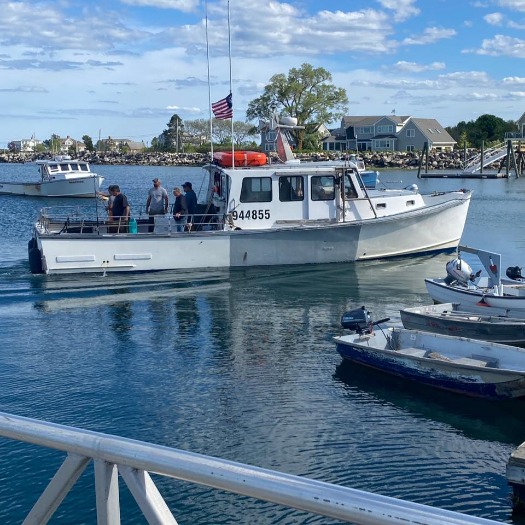
Meet your Captain Matthew Krajewski
- Top Atlantic Ocean Fishing in Rye, NH


Summary
Join Captain Patrick Dennehy of Tontine Fishing Charters on Wednesday, July for an unforgettable fishing charter in Rye, New Hampshire. This Atlantic cod fishing experience combines local expertise with genuine coastal action, offering anglers the chance to land quality fish in productive waters off the NH coast.
Fishing Charter with Captain Patrick Dennehy - Rates & Booking
Captain Patrick Dennehy of Tontine Fishing Charters invites you to experience Atlantic cod fishing on Wednesday, July in the productive waters surrounding Rye. With a focus on solid technique and local knowledge, this fishing charter delivers genuine results for anglers of all skill levels. Whether you're looking to hook into some quality cod or simply enjoy a day on New Hampshire's coastal waters, Patrick brings years of hands-on fishing experience to every trip.
To book your fishing adventure or inquire about availability and pricing, contact Tontine Fishing Charters directly. Captain Patrick welcomes small groups and individual anglers looking for an authentic fishing experience off the Rye coastline.
Highlights of Your Cod Fishing Charter
The Atlantic cod fishery around Rye offers consistent action during the summer season. You'll be fishing productive grounds where these fish naturally congregate, using proven techniques that work year after year. The combination of favorable water conditions and Captain Patrick's strategic approach creates real opportunities for solid catches. There's something genuinely satisfying about connecting with Atlantic cod in their natural habitat - the strike, the fight, and the payoff make for memorable moments on the water.
Beyond the fishing itself, you'll experience the coastal character of Rye from a unique perspective. The scenery, the rhythm of the tides, and the focused energy of a day on the water create an experience that sticks with you long after the trip ends.
Local Species Insights: Atlantic Cod
Atlantic cod are bottom feeders with a strong preference for structured habitats - rocky reefs, ledges, and rough ground where they hunt smaller fish and crustaceans. In Rye waters, these fish thrive in the cool Atlantic conditions that characterize New Hampshire's offshore environment. Cod are known for their aggressive feeding habits and powerful runs when hooked, making them an engaging target for charter fishing.
These fish are typically found at varying depths depending on the season and water temperature. Summer cod fishing often involves reaching productive bottom grounds where fish congregate in higher numbers. What makes cod fishing rewarding is the combination of strategy and direct action - you're actively working the bottom, detecting bites, and responding to what's happening beneath the boat. This hands-on approach appeals to anglers who enjoy being engaged throughout the day.
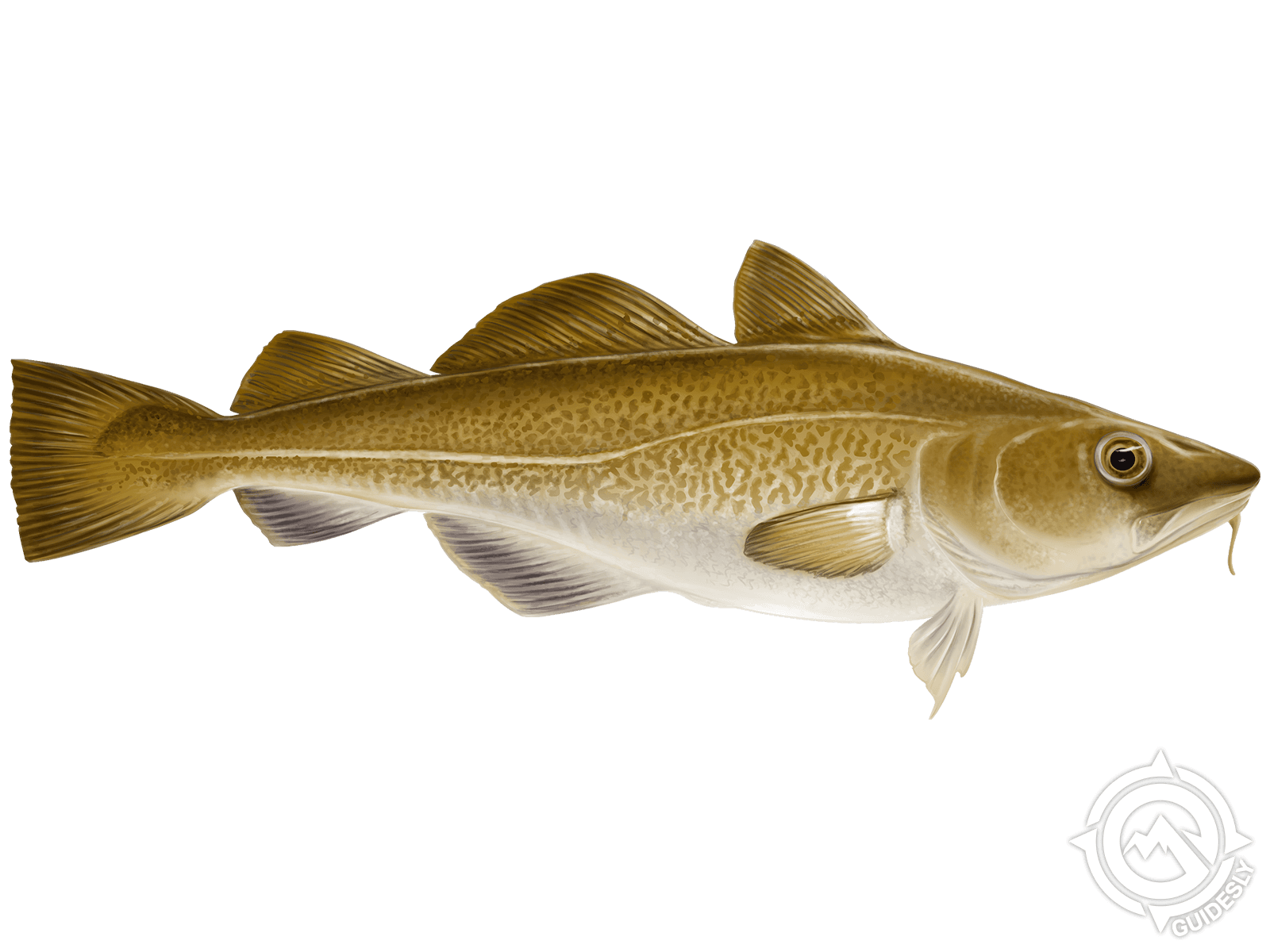
Cod have distinctive features - a chin barbel, three dorsal fins, and a stocky build - and they're impressive fish to bring aboard. Their size and fight quality make them a favorite among New England anglers. In Rye, summer conditions typically support healthy populations of keeper-size fish, which is why Captain Patrick focuses his fishing efforts on these productive grounds.
Plan Your Fishing Day
A typical cod fishing charter involves early morning departure to reach the best grounds while conditions are optimal. You'll spend the day actively fishing, working structure and following Captain Patrick's guidance on technique and location. The pace is steady and engaging - there's downtime between bites, but with good grounds and focused effort, the action typically stays consistent throughout the trip.
Bring layers even in summer, as conditions on the water can be cooler than expected. Most charters provide what you need in terms of basic fishing equipment, but confirm with Captain Patrick what's included. Sun protection, a light jacket, and comfortable shoes are solid choices for a full day on the water.
Fishing in Rye: Atlantic Cod
Atlantic Cod Overview
The Atlantic Cod (Gadus morhua) is one of the most iconic and commercially important saltwater gamefish in the Atlantic Ocean. Belonging to the family Gadidae and order Gadiformes, this species has shaped the history of North American and European civilization for centuries. Instantly recognizable by its distinctive white lateral lines, oversized head, blunt snout, and characteristic barbel (whisker-like appendage) beneath its lower jaw, the Atlantic Cod is a prized catch for both recreational and commercial anglers. Its color varies dramatically based on habitat, ranging from light yellowish-green to vibrant red and olive tones, with uneven spots dotting the head, body, tail, and fins—though its belly typically remains light colored. What makes this fish truly special is not just its delicate flavor and moist, flaky texture, but also its cultural significance as a cornerstone species in early American and European exploration and settlement.
Whether you're fishing off the Maine coast or exploring Atlantic waters near Massachusetts, encountering an Atlantic Cod represents a direct connection to centuries of maritime tradition and culinary excellence.
Atlantic Cod Habitat and Distribution
Atlantic Cod thrive in cool temperate waters across the Atlantic Ocean, preferring temperatures between 0 to 20 degrees Celsius. As benthopelagic fish, they predominantly inhabit areas near the ocean floor, favoring rocky and sandy environments where they can hunt and hide. However, these adaptable fish will also venture into midwaters or near the surface when pursuing food sources. They typically inhabit depths ranging from 500 to 600 meters near coastlines but are equally comfortable traveling through open ocean waters and even brackish coastal regions.
In the United States, Atlantic Cod populations concentrate off the shores of Maine and Massachusetts, particularly in the renowned fishing grounds of Georges Bank and the Gulf of Maine. Anglers can also find productive populations as far south as Cape Hatteras, North Carolina, where these fish remain abundant year-round. The species' wide distribution across the Atlantic extends from the East Coast of North America through Greenland, Iceland, and along the coasts of Western Europe, making it a truly pan-Atlantic species accessible to anglers across multiple continents.
Atlantic Cod Size and Weight
While the average Atlantic Cod grows to impressive proportions of 2 to 4 feet in length and weighs up to 88 pounds, exceptional specimens far exceed these typical dimensions. The largest Atlantic Cod on record stretched five feet long and weighed an astounding 103 pounds—a magnificent fish landed by recreational angler Michael Eisele of Kiel, Germany, off the Norwegian island of Soroya. Most recreational anglers can realistically expect to encounter fish in the 48 to 60-inch range, making for exciting and manageable battles with appropriate tackle.
Beyond sheer size, these fish are capable swimmers, reaching moderate speeds of 8.3 to 21.3 inches per second, allowing them to cover significant distances in search of food and during spawning migrations. Their lifespan extends up to 30 years in the wild, meaning larger specimens you encounter have survived decades of fishing pressure and environmental challenges.
Atlantic Cod Diet and Behavior
Young Atlantic Cod begin their lives as drift-feeding larvae, consuming small crustaceans as they develop in open ocean waters. As they mature into juveniles and adults, their diet shifts dramatically toward a preference for smaller fish species, particularly herring, capelin, and sand eels. However, these opportunistic feeders remain flexible hunters, regularly consuming crabs, shrimp, worms, and other available prey when their preferred fish are scarce.
Atlantic Cod exhibit fascinating color-changing abilities, adapting their appearance to match their immediate surroundings and habitat—a behavior that aids in both hunting and predator avoidance. They are relatively sedentary compared to pelagic species, preferring to remain near structured ocean floor environments where they can ambush passing prey. Their notable barbel serves as a sensory organ, helping them locate food along the seafloor where visibility may be limited. These fish demonstrate seasonal movement patterns, congregating in specific spawning areas during winter months and dispersing to feeding grounds throughout warmer seasons.
Atlantic Cod Spawning or Seasonal Activity
Atlantic Cod spawn between January and April, representing one of the most critical periods in their life cycle. During spawning season, females produce an extraordinary number of eggs—up to five million per spawning event—ensuring species propagation despite heavy fishing pressure. This reproductive abundance has historically made the species resilient, though modern overfishing has challenged even this remarkable fecundity.
After hatching, larvae drift with ocean currents in pelagic zones before settling into benthic (bottom-dwelling) habitats as they grow. Adult fish exhibit predictable seasonal movements, typically gathering in deeper offshore waters during winter spawning months before migrating to shallower feeding grounds in spring and summer. Understanding these seasonal patterns is crucial for both conservation efforts and successful angling strategies throughout the calendar year.
Atlantic Cod Techniques for Observation or Capture
Method 1: Natural Bait Fishing from Offshore Vessels
Most successful Atlantic Cod anglers employ live or dead natural baits from anchored or drifting boats in offshore waters. Highly effective bait options include squid strips, fish strips, crabs, sand eels, and capelin, as well as clams, mussels, shrimp, and octopus. The key is matching local prey availability—if herring are abundant in your fishing area, herring strips will outperform other baits. Target depths of 300-600 feet along rocky structure and ledges. Around Maine and Massachusetts fishing grounds near Georges Bank, early morning tides combined with squid strip baits produce exceptional results. Pair your natural baits with 16-ounce bouncing sinkers to maintain bottom contact while drifting or anchoring.
Method 2: Artificial Lure Jigging
Many anglers achieve success with chrome diamond jigs, metal spinners, bucktails, spoons, and shiny metal squids that mimic natural prey species. Vertical jigging along structure produces violent strikes, particularly during feeding windows around tide changes. Work these lures with rhythmic up-and-down motions near the seafloor where Atlantic Cod patrol. The flash and vibration of quality metal lures trigger aggressive strikes even in lower visibility conditions common in offshore Atlantic waters.
Method 3: Seasonal Structure Fishing
Scout productive fishing zones during pre-season planning by identifying rocky outcrops, shipwrecks, and natural ledges where Atlantic Cod congregate year-round. Winter spawning aggregations can result in incredible catch rates if you locate these concentrated populations. Summer feeding migrations bring fish into slightly shallower zones where they pursue small fish around rocky structure and drop-offs. Summer months typically offer the most accessible fishing from shore-based locations and smaller boats.
Essential Gear Recommendations
Deploy a 50-pound class rod paired with 30 to 50-pound braid line to handle the power and stubbornness of trophy-class Atlantic Cod. Braid offers superior sensitivity for detecting bottom strikes and provides strength for deep-water hook-sets. The combination of heavy-duty rod and line ensures you can confidently work bottom-bounce techniques and maintain control during extended fights with 80+ pound specimens.
Atlantic Cod Culinary or Utilization Notes
The Atlantic Cod has earned its reputation as one of the world's finest table fish for compelling reasons. Its delicate, mild flavor profile and moist, flaky texture make it extraordinarily versatile in the kitchen—equally exceptional when pan-seared with lemon butter, beer-battered and fried, or gently poached. As a lean white fish, it provides excellent nutritional benefits including high-quality protein, omega-3 fatty acids, and essential vitamins and minerals while remaining relatively low in calories.
Historically, Atlantic Cod served as a critical food source for Native Americans and early European settlers, earning recognition as an important driver of New World civilization. Centuries of commercial fishing—from salt-cod production to modern fresh fish markets—have maintained this species' prominence in global cuisine.
However, it's crucial to note that Atlantic Cod is now considered vulnerable to extinction due to overfishing and climate change impacts. NOAA Fisheries' 10-year rebuilding program implemented in 2014 includes strict regulations: annual catch limits, size restrictions, and seasonal area closures designed specifically to allow populations to recover. Before keeping your catch, consult current local regulations regarding size and bag limits—conservation-minded anglers play a vital role in this species' recovery while still enjoying responsible harvests.
Atlantic Cod Frequently Asked Questions
Q: What is the best bait for catching Atlantic Cod?
A: Live or dead natural baits produce the most consistent results. Fresh squid strips, capelin, sand eels, and herring are top choices, particularly when locally abundant. Match your bait selection to prey species active in your specific fishing area. Clams and mussels also attract aggressive strikes, especially in sandy bottom zones.
Q: Where can I find Atlantic Cod near Maine or Massachusetts?
A: Georges Bank and the Gulf of Maine represent premier Atlantic Cod fishing destinations off Maine and Massachusetts. Fish depths of 300-600 feet along rocky structure, ledges, and natural drop-offs. Additionally, productive populations extend southward to Cape Hatteras, North Carolina, offering year-round opportunities for dedicated anglers.
Q: Is Atlantic Cod good to eat?
A: Absolutely—Atlantic Cod offers excellent eating quality with delicate, mild flavor and moist, flaky texture. Its lean white meat is versatile, suitable for virtually any cooking method from frying to baking. However, respect current catch limits and size regulations, as the species is recovering from decades of overfishing.
Q: When is the best time to catch Atlantic Cod?
A: Atlantic Cod spawn during winter months (January-April), concentrating in predictable areas during this peak season. Summer months (June-September) offer excellent accessibility and feeding activity as fish migrate to shallower grounds. Spring and fall transitions can produce exceptional results as fish move between seasonal zones.
Q: What gear do I need for Atlantic Cod fishing?
A: Deploy a 50-pound class rod with 30 to 50-pound braid line, 16-ounce bouncing sinkers, and appropriate tackle for offshore boat fishing. Quality fish-finder technology helps locate productive structure and bottom composition. Ensure your rod and reel combination can handle the fighting power and depth requirements of Atlantic waters.
Q: How long do Atlantic Cod live?
A: Atlantic Cod can live up to 30 years in the wild, meaning exceptional specimens you encounter represent decades of survival through fishing pressure and environmental challenges. Their remarkable longevity contributes to their impressive size potential, with some individuals reaching over 100 pounds after multiple decades of growth.