Great White Shark Catch in Rye NH - Fishing Charter
Great White Shark Fishing in Rye - What to Expect
%2F%2Fusers%2F49d5a4c2-7e9a-4ea7-b459-bcafdd81731b%2Fimages%2Fgreat-white-shark-catch-rye-2733.jpeg&w=1920&q=75)
Fishing Charter by Captain Matthew Krajewski in July
Meet your Captain Matthew Krajewski
- Top Atlantic Ocean Fishing in Rye, NH


Summary
Join Captain Patrick Dennehy of Tontine Fishing Charters for an unforgettable fishing charter in Rye, NH. This July adventure showcases the thrill of encountering one of the ocean's most powerful predators. Whether you're an experienced angler or seeking peak offshore excitement, this charter delivers world-class fishing opportunities and expert guidance on New England waters.
Fishing Charter with Captain Patrick Dennehy - Rates & Booking
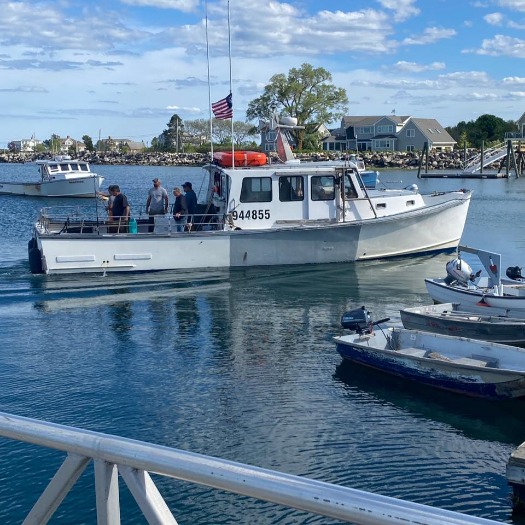
Captain Patrick Dennehy of Tontine Fishing Charters led this group of 11 anglers on Wednesday, July 1st for an incredible offshore fishing charter based in Rye, NH. This is the caliber of experience you can expect when booking with a licensed local guide who knows these waters intimately. Captain Dennehy specializes in offshore fishing charters that target premium species and deliver memorable results.
Tontine Fishing Charters operates out of Rye's premier fishing docks with full access to New England's most productive offshore grounds. When you book a charter, you're investing in professional expertise, properly maintained vessels, and all the knowledge needed to locate and land trophy fish. The team handles all logistics - you bring your appetite for adventure. Contact Tontine Fishing Charters today to reserve your date and discuss specific fishing goals for your group.
Highlights of This Offshore Fishing Experience
Great white shark encounters represent the pinnacle of offshore fishing excitement. These apex predators command respect and deliver adrenaline-pumping action that few other species can match. Successfully landing or documenting such a catch is a testament to both guide expertise and angler skill. This charter showcases the caliber of marine life available in New England's offshore waters during peak season.
The group composition on this charter - 11 experienced anglers working together - demonstrates the social nature of these trips. Offshore fishing charters build camaraderie among participants while delivering legitimate trophy opportunities. The deck display and documentation ensure this achievement becomes a lasting memory and proof of the encounter.
Local Species Insights: Great White Sharks
Great white sharks are apex predators that patrol offshore waters along the New England coast. These remarkable fish are highly migratory, moving between hunting grounds based on seasonal patterns and prey availability. The Gulf of Maine and waters off New Hampshire offer ideal habitat during summer months, with water temperatures, baitfish concentration, and oceanic conditions creating prime feeding periods.
Great whites are known for explosive strikes, incredible power, and remarkable intelligence. They can grow to substantial sizes and possess sensory systems that allow them to detect prey from great distances. Their presence in Rye waters indicates healthy offshore ecosystems with abundant food sources. Encountering a great white - whether through active fishing or observation - represents a rare privilege and underscores why New England has become increasingly recognized as great white territory.
Captain Dennehy's expertise in these waters means understanding seasonal patterns, offshore structure, current systems, and species behavior. Success on offshore charters depends on reading conditions, deploying appropriate techniques, and maintaining the discipline to fish productively for extended periods. The presence of 11 anglers on deck suggests a well-organized operation with established protocols for safety, positioning, and fighting fish.
For anglers targeting offshore species, Rye provides geographic advantages. The harbor offers quick access to deep water, productive fishing grounds, and reliable marine conditions. Summer fishing in New Hampshire waters delivers some of the Northeast's most exciting opportunities. Whether your interest lies in great whites specifically or premium offshore species generally, working with established local operators like Tontine Fishing Charters significantly increases your chances of memorable outcomes.
Fishing in Rye: Great White Shark

Great White Shark Overview
The Great White Shark (Carcharodon Carcharias) belongs to the family Lamnidae and the order Lamniformes. This apex predator is the most notorious fish in the ocean, instantly recognizable by its contrasting white belly, gray upper body, and distinctive bullet-shaped silhouette. With rows of approximately 300 jagged, triangular teeth and a powerful crescent-shaped tail, the Great White Shark has captured human imagination for generations—from Hollywood's "Jaws" to Discovery Channel's Shark Week. These incredible hunters possess exceptional eyesight, formidable muscle power, and an extraordinary sense of smell that makes them the ocean's most efficient predators. Whether you're exploring the coastal waters near California or South Africa, encountering information about this species reveals why it remains the subject of fascination and respect among marine enthusiasts and researchers alike.
Great White Shark Habitat and Distribution
Great White Sharks thrive in offshore and coastal waters with temperatures ranging from 54 to 75 degrees Fahrenheit. They are predominantly found along the coasts of California, Hawaii, and the Northeast Coast of the United States, with substantial populations in South Africa, Australia, Brazil, the Azores, and the Caribbean. Additional populations inhabit East Africa, Northwest Africa, Madagascar, Sri Lanka, Mauritius, Northern Australia, and the Philippines. The highest concentrations of these apex predators occur in the United States, Japan, South Africa, Oceania, Chile, and the Mediterranean Sea. Their preference for specific water temperatures and abundant prey sources drives their distribution patterns across these globally significant marine ecosystems.
Great White Shark Size and Weight
Great White Sharks are truly massive marine creatures, typically growing between 11 to 20 feet in length, with exceptional specimens reaching up to 21 feet or beyond. Weight varies considerably based on age and sex, with typical adults ranging from 1,500 to 2,500 pounds. Remarkably, divers near Oahu in Hawaii documented what researchers believe may be the world record Great White Shark, estimated to weigh approximately 2.5 tons. These giants can live as long as humans—70 years or more—far longer than scientists previously believed, making them one of the ocean's most long-lived predators.
Great White Shark Diet and Behavior
As apex predators, Great White Sharks maintain a carnivorous diet consisting primarily of fish, seals, sea lions, and other marine mammals. These sharks are social creatures that travel in schools and possess an remarkable sensory adaptation: they can detect a single drop of blood in 25 gallons of water and sense blood from up to three miles away using their specialized olfactory bulb. Despite their fearsome reputation, they actively avoid confrontation with each other, as a single bite can permanently disable another shark. They are capable swimmers, reaching speeds exceeding 35 mph and diving to depths of 3,900 feet. Interestingly, their only recognized natural predator is the killer whale, which attacks them only on rare occasions. Their interactions with humans remain statistically minimal, though their presence commands respect and caution in ocean environments.
Great White Shark Spawning or Seasonal Activity
Great White Sharks exhibit migratory patterns that correlate with water temperature changes and prey availability. They tend to congregate in warmer coastal waters during certain seasons, particularly where seal and sea lion colonies provide abundant food sources. Migration routes often follow traditional pathways between feeding and breeding grounds across ocean basins. Seasonal variations in their presence are most pronounced in temperate waters like those near California and South Africa, where populations shift based on water temperature fluctuations and the movement of their primary prey species. Researchers continue to study these patterns to better understand their reproductive cycles and long-distance navigation abilities.
Great White Shark Techniques for Observation or Capture
Important Legal Note: Great White Shark fishing is illegal in the United States as they are a protected species. Observation and any interaction requires proper permits and compliance with international wildlife protection laws.
For Permitted Scientific or Educational Observation: When conditions allow and proper authorization is obtained, Great White Sharks are best located near reefs and areas with high concentrations of smaller fish species that serve as prey. Chum lines using mackerel or other oily fish can attract sharks in offshore and coastal locations. Strong tackle is essential—a fishing line rated for at least 100 pounds test paired with a heavy-duty rod designed for big game fish is necessary. Observation from shark diving cages in locations like South Africa's Gansbaai or California's Farallon Islands offers safer, regulated opportunities to witness these magnificent predators in their natural habitat. Around the Hawaiian Islands near Oahu, authorized marine tours and research expeditions occasionally provide controlled observation experiences for visitors interested in marine biology and shark behavior.
Safer Alternative - Aquarium and Educational Settings: Many major aquariums worldwide feature Great White Sharks or comprehensive exhibits about their biology and behavior, providing accessible learning opportunities without the risks or legal complications of ocean-based encounters.
Great White Shark Culinary or Utilization Notes
Great White Sharks are not utilized for commercial fishing due to their protected status in most jurisdictions and their position as a critically important apex predator for marine ecosystem health. Historically, shark meat was consumed in some cultures, but modern conservation efforts prioritize protecting these species to maintain ocean biodiversity and food web stability. The ecological importance of Great White Sharks far outweighs any culinary value, as their role as apex predators helps regulate marine populations and maintain healthy ocean ecosystems. Research and education represent the primary beneficial uses of information about these remarkable creatures.
Great White Shark Frequently Asked Questions
Q: What is the best bait for attracting Great White Sharks in permitted research scenarios?
A: Mackerel and other oily fish are the preferred bait choices due to their strong scent dispersal in water. Chum lines effectively attract sharks from considerable distances, taking advantage of their extraordinary olfactory capabilities that allow them to detect blood from miles away.
Q: Where can I safely observe Great White Sharks near California?
A: Authorized shark diving expeditions operate near the Farallon Islands and coastal areas of Northern California. These regulated tours provide cage diving experiences with trained guides and safety protocols, offering visitors the opportunity to observe these apex predators while maintaining essential safety standards.
Q: Is Great White Shark meat safe to eat?
A: Great White Shark fishing is illegal in the United States and many other countries due to their protected status. Beyond legal restrictions, these apex predators accumulate high levels of mercury and other contaminants, making consumption inadvisable from both health and conservation perspectives. Their ecological value as predators far exceeds any food utility.
Q: When is the best time to observe Great White Sharks in their natural habitat?
A: Seasonal patterns vary by location. Coastal waters near California, Hawaii, and South Africa typically see increased shark activity in late summer and fall when water temperatures are favorable and prey species congregate. Research expeditions and authorized tours schedule operations around these peak activity periods to maximize observation opportunities.
Q: How do Great White Sharks compare in size to other shark species?
A: Great White Sharks are among the largest predatory sharks in the ocean, typically exceeding 15 feet and often reaching 20 feet or more. While whale sharks grow larger, they are filter feeders rather than active predators. The Great White Shark's combination of massive size, predatory sophistication, and hunting prowess makes it the ocean's most formidable apex predator.
Q: What should I know about Great White Shark behavior and human safety?
A: Despite their fearsome reputation, Great White Sharks rarely target humans intentionally. Attacks remain statistically uncommon relative to ocean visitation. Understanding that they are wild predators deserving respect and maintaining distance from their natural habitats is essential. Always follow guidelines established by marine authorities and avoid swimming in areas with known shark activity, particularly during dawn and dusk hours when feeding activity peaks.