Haddock Fishing in Rye NH with Captain Patrick Dennehy
Haddock Fishing in Rye, NH - What to Expect
%2F%2Fusers%2F49d5a4c2-7e9a-4ea7-b459-bcafdd81731b%2Fimages%2Frye-nh-haddock-fishing-catch-2654.jpg&w=1920&q=75)
Fishing Charter by Captain Matthew Krajewski in July
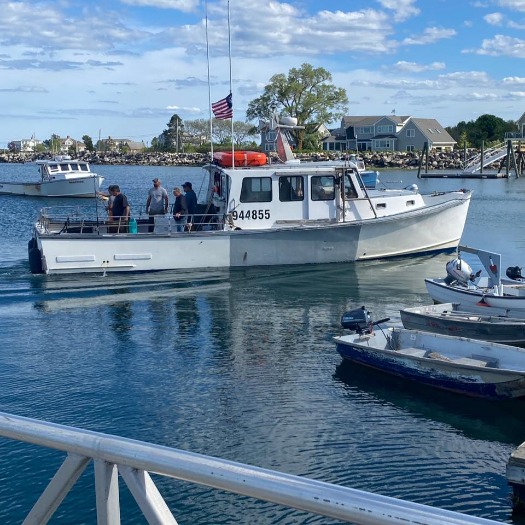
Meet your Captain Matthew Krajewski
- Top Atlantic Ocean Fishing in Rye, NH


Summary
Join a fishing charter in Rye, NH for an exciting day targeting haddock and other groundfish. Captain Patrick Dennehy of Tontine Fishing Charters operates out of these productive waters, where you'll experience the thrill of catching quality haddock on a guided fishing adventure.
Fishing Charter with Captain Patrick Dennehy - Rates & Booking
Captain Patrick Dennehy of Tontine Fishing Charters heads out on the waters around Rye, NH regularly, targeting haddock and other groundfish species that thrive in these Atlantic waters. When you book a fishing charter with Captain Patrick, you're getting someone who knows these fishing grounds intimately and is committed to putting you on quality fish.
To book your fishing charter or get specific details about group size, trip duration, and what's included, reach out to Tontine Fishing Charters directly. Captain Patrick can customize your experience based on your skill level and what you're hoping to catch. Book online or contact the charter to reserve your spot and get all the specifics on pricing and availability.
Highlights of Your Haddock Fishing Experience
Rye's waters are known for consistent haddock action, especially when conditions line up right. You'll be fishing in areas where these bottom-dwelling fish congregate, using proven techniques that work in these coastal waters. The combination of skilled guidance and productive fishing grounds makes for a rewarding day on the water.
There's something special about landing fresh haddock in these New England waters. The experience goes beyond just the catch - it's about being on the ocean, learning local fishing knowledge, and enjoying the coastal New Hampshire setting with someone who genuinely loves what they do.
Local Species Insights: Haddock
Haddock are a signature New England catch, and the waters around Rye are a prime location for them. These bottom fish typically hang around rocky areas and structured ground where they hunt for smaller fish and crustaceans. Haddock are strong fighters once hooked, making them exciting to catch and rewarding to land.
What makes haddock fishing in Rye particularly good is the consistency of the fishery. These waters support a healthy population, and the fishing charter knows where to find them throughout the season. Haddock respond well to traditional fishing techniques using appropriate jigs and baits, making them accessible to both experienced anglers and first-timers.
The fishing environment around Rye combines accessibility with productivity. You're not traveling hours offshore, but you're getting into genuine fishing grounds where the species you're targeting actually lives. The nearshore waters hold year-round haddock populations, though seasonal conditions and regulations affect the best times to target them.
When you reel in a haddock in these waters, you're connecting with a species that's been part of New England's fishing heritage for generations. Haddock are also excellent eating fish, and many charter operations allow you to keep your catch for the dinner table - making your fishing day extend into a fresh seafood meal.
Plan Your Haddock Fishing Day
A typical day fishing for haddock in Rye involves heading out to the productive grounds where Captain Patrick knows these fish are holding. You'll use fishing techniques suited to bottom structure, working the areas where haddock congregate. The experience combines active fishing with the coastal Atlantic setting that makes New Hampshire waters special.
Whether you're a seasoned angler looking to target specific species or someone new to saltwater fishing wanting to try a guided charter, this is a straightforward and engaging fishing experience. The waters around Rye are manageable, the fish are cooperative when conditions are right, and Captain Patrick's local expertise takes the guesswork out of where to fish and how to fish effectively.
Fishing in Rye: Haddock
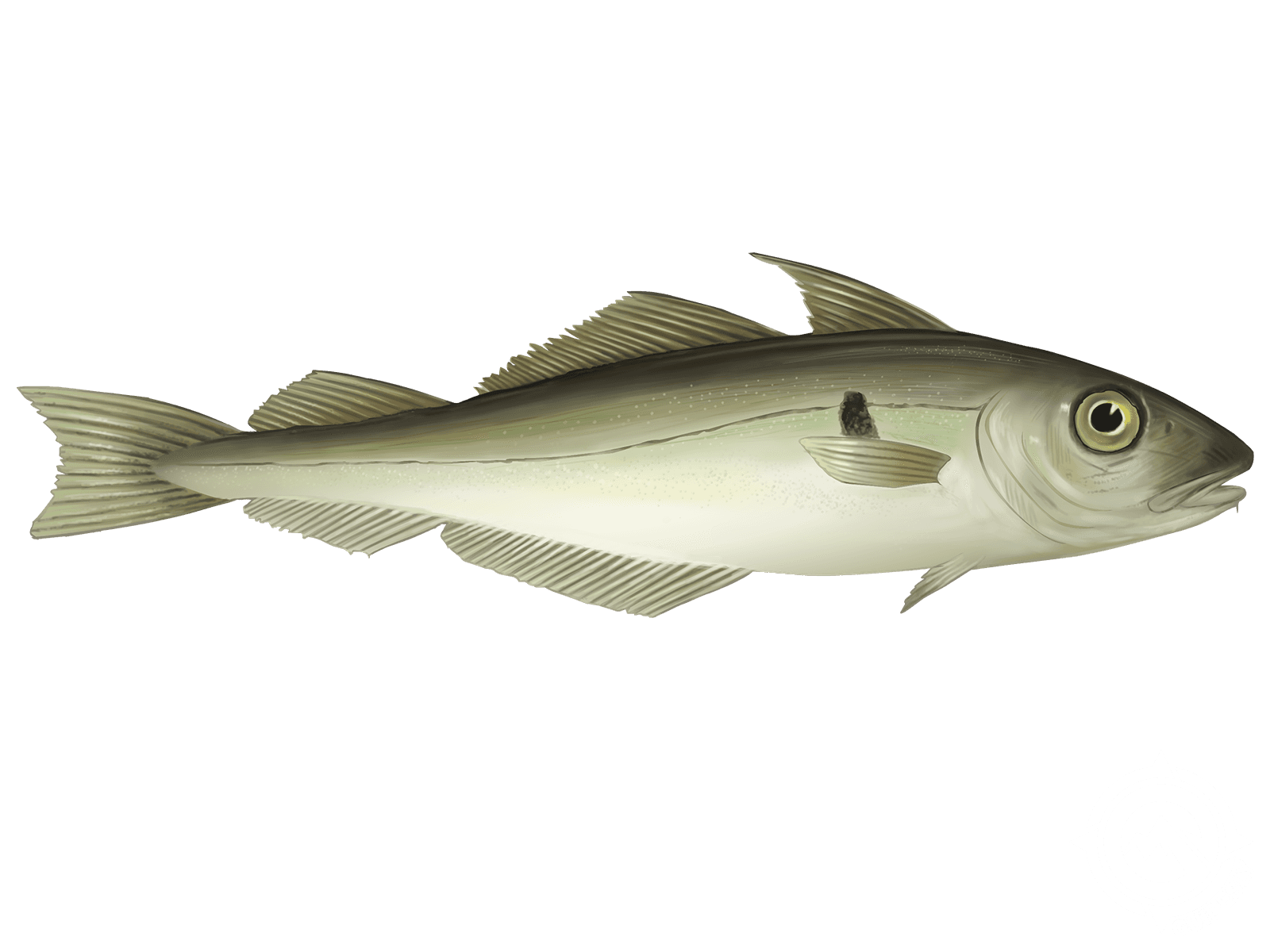
Haddock Overview
Haddock (Melanogrammus aeglefinus) is a saltwater fish belonging to the family Gadidae and order Gadiformes—making it a close relative of the popular cod. These fast-growing fish are instantly recognizable by their distinctive dark purplish-grey upper body that fades to a silvery-pink lower body and white belly. One of their most charming identifying features is the characteristic black "thumbprint" or blotch found above each pectoral fin, often called the Devil's thumbprint. With three dorsal fins and two anal fins, plus a stark black lateral line running along their sides, haddock are a favorite among anglers and seafood lovers alike. Found abundantly in the cold waters of Massachusetts and beyond, haddock represent a thriving population of commercially and recreationally important saltwater fish that have captivated fishermen for generations.
Haddock Habitat and Distribution
Haddock are true bottom dwellers with a strong preference for cold marine environments. These fish thrive in water temperatures between 36°F and 50°F, making the Atlantic's northern regions ideal for their survival. They are commonly found over sandy bottoms, pebbles, and broken shell beds—habitats that provide excellent cover and feeding opportunities. Geographically, haddock range from Newfoundland and Nova Scotia in Canada southward to New Jersey, but the highest concentrations gather in the Gulf of Maine, along Massachusetts' Georges Bank, the Nantucket Shoals, and the Maine coast. These areas offer the rocky, gravelly, and sandy substrates that haddock prefer, creating perfect spawning and feeding grounds. For anglers and observers, Cape Cod and the surrounding Massachusetts coastline remain premier destinations to encounter these remarkable fish.
Haddock Size and Weight
The average haddock measures between 14 and 30 inches in length, though larger specimens can reach up to 36 inches. In terms of weight, most catches fall between 2 and 7 pounds, though exceptional individuals can exceed 10 pounds. The all-tackle world record stands at an impressive 11 pounds and 3 ounces, demonstrating the potential size these fish can achieve. Most recreational anglers can expect to land fish in the 3- to 5-pound range during typical fishing outings, making haddock an exciting and rewarding target that offers both challenge and reasonable success rates.
Haddock Diet and Behavior
As carnivorous feeders, haddock demonstrate a diverse palate adapted to bottom-dwelling life. Their primary diet consists of crabs, snails, marine worms, sea urchins, and fish eggs—all readily available along the ocean floor where they spend their lives. This feeding behavior makes them responsive to both natural baits and artificial lures that mimic their prey. Behaviorally, haddock are swift swimmers capable of quick bursts to escape predators, and they often travel in large schools for safety and efficiency. This schooling tendency is particularly useful for anglers, as finding one haddock frequently means more are nearby. The species displays remarkable adaptability to their environment, thriving in the dynamic conditions of nearshore and rocky bottom habitats where they can be found year-round, though populations fluctuate seasonally.
Haddock Spawning and Seasonal Activity
The haddock spawning season begins in January and reaches its peak during spring months, with the primary spawning window extending from January through June. These fish gather over rocky, gravelly, and sandy bottoms in specific regions—particularly from Massachusetts' eastern Georges Bank to the Nantucket Shoals and along the Maine coast—to engage in their reproductive cycle. During spawning, females release an astounding 850,000 to 3 million eggs in batches on the ocean floor, where waiting males fertilize them. The fertilized eggs then begin their remarkable journey, rising to the surface where they drift with ocean currents for several months before the larvae eventually settle back to the ocean bottom to begin their bottom-dwelling existence. This seasonal concentration of spawning activity creates peak fishing opportunities and is a critical period for understanding haddock population dynamics along the New England coast.
Haddock Techniques for Observation and Capture
Vertical Jigging and Bottom Fishing: Since haddock are committed bottom dwellers, vertical equipment with heavy weights is essential for effective fishing. Use a spinning rod rated 6-weight to 8-weight, paired with braided line for better sensitivity and drift control. Deploy small 5- to 7-ounce jigs or simple tandem rigs and two-hook paternoster rigs to cover the bottom structure where haddock congregate. Work these rigs vertically, maintaining contact with the seafloor while watching for the characteristic subtle tugs that indicate a feeding fish.
Baited Hook Method (Recommended): Many experienced anglers prefer baited hooks over jigs for haddock fishing, as this approach causes less damage to the fish's mouth and reduces the likelihood of attracting larger cod that compete for the same resources. Fresh clams, rag worms, mussels, cockles, squid, shrimp, and crabs all produce excellent results. Drift slowly over rocky or sandy bottoms during incoming or slack tides when haddock are most actively feeding. Around Massachusetts' Cape Cod and Georges Bank, this method consistently produces quality catches.
Nearshore and Onshore Targeting: Focus your efforts on onshore and nearshore rocky bottom habitats where haddock congregate year-round. Early morning and late afternoon often produce the most active feeding periods. Water temperature monitoring is valuable—target areas where temperatures remain in the 36-50°F range. Local charter boats and fishing reports provide real-time information on the most productive grounds and recent catch patterns.
Haddock Culinary and Utilization Notes
Haddock stands among the finest food fish available, boasting white, flaky flesh with a mild, slightly sweet flavor that appeals to diverse palates. The species has earned excellent odds for food quality and remains one of the most commercially important fish in the North Atlantic. Its versatility in the kitchen makes it suitable for baking, frying, poaching, and grilling—preparations that highlight its delicate texture and subtle taste. Nutritionally, haddock provides an excellent source of lean protein, vitamin D, and selenium while remaining low in calories and saturated fat. The popularity of haddock in both commercial and recreational contexts reflects its culinary excellence and cultural significance, particularly in New England coastal communities where it has been a dietary staple for centuries. Sustainability considerations are important; always check local regulations and harvest guidelines to ensure the long-term health of haddock populations.
Haddock Frequently Asked Questions
Q: What is the best bait for catching haddock?
A: Fresh clams and rag worms are consistently the top choices for haddock fishing, though mussels, squid, shrimp, and crabs also produce excellent results. Baited hooks are preferred by many anglers over jigs because they cause less mouth damage and are less likely to attract competing cod. Using a braided line helps maintain bottom contact and sensitivity while drifting.
Q: Where can I find haddock near Cape Cod and Massachusetts?
A: The richest haddock populations concentrate along Massachusetts' Georges Bank, the Nantucket Shoals, and Cape Cod. These areas provide the ideal rocky and sandy bottom habitats haddock prefer. Local charter captains in these regions can guide you to the most productive grounds, which change seasonally based on water temperature and spawning activity.
Q: What is the average size of haddock I can expect to catch?
A: Most recreational anglers land haddock between 3 and 5 pounds, with typical fish measuring 14 to 30 inches. Larger specimens exceeding 7 pounds are possible, and the world record stands at 11 pounds 3 ounces. Success varies by season, location, and technique, but haddock offer reasonable odds for consistent catches.
Q: When is the best time to catch haddock?
A: While haddock are available year-round in cold Atlantic waters, the spawning season from January through June creates peak fishing opportunities as concentrated populations gather over spawning grounds. Spring months are particularly productive. Early morning and late afternoon fishing sessions typically produce the most active feeding behavior.
Q: Is haddock good to eat?
A: Absolutely—haddock is considered an excellent food fish with white, flaky flesh and a mild, slightly sweet flavor. It's versatile in the kitchen, suitable for baking, frying, poaching, and grilling, and provides excellent nutritional value with lean protein, vitamin D, and selenium. Its culinary popularity spans from fine dining to casual home cooking.
Q: How long do haddock live?
A: Haddock typically live approximately 14 years in the wild, allowing them to grow to substantial sizes and reproduce multiple times during their lifespan. This relatively long life cycle supports healthy population dynamics when managed sustainably.