Saithe Fishing in Rye NH - Fresh Catch on Deck
Saithe Fishing in Rye, NH - What to Expect

Fishing Charter by Captain Matthew Krajewski in October
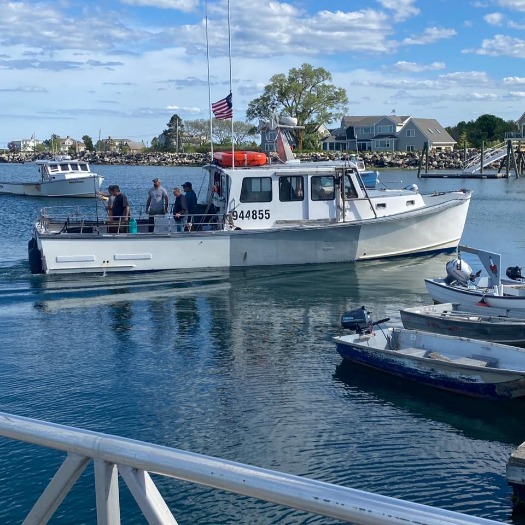
- Top Atlantic Ocean Fishing in Rye, NH


Summary
Join a fishing charter in Rye, NH on Tuesday, October 13 to target saithe and discover what makes this species a rewarding catch. Learn proper technique, habitat insights, and fishing fundamentals from experienced guidance on the water.
Fishing Charter with Captain Matthew Krajewski - Rates & Booking
Captain Matthew Krajewski of Tontine Fishing Charters heads out on Tuesday, October 13 to pursue saithe in Rye's productive waters. Contact Tontine Fishing Charters directly to discuss availability, group size, and what's included with your charter experience. Reserve your spot to fish these skilled bottom-dwellers and learn techniques specific to New Hampshire's coastal environment.
Highlights of Your Saithe Fishing Adventure
Saithe present an engaging fishing challenge in the offshore and nearshore waters around Rye. These fish respond well to a variety of techniques, and successful anglers develop an understanding of depth, current, and bait presentation. Your time on the water includes hands-on instruction, real-time species behavior observation, and the satisfaction of landing and displaying your fresh catch.
The Rye coastline and surrounding fishing grounds offer reliable conditions for saithe throughout the season. Working with a local captain means accessing productive marks and understanding how water temperature, tide, and seasonal patterns influence fish location and feeding behavior.
Local Species Insights: Saithe
Saithe are a member of the cod family and thrive in the cool Atlantic waters off New Hampshire. These fish are bottom-feeders that prefer rocky structure, reef areas, and deeper channels where they hunt smaller fish and crustaceans. Understanding their habitat preference helps explain why certain fishing marks consistently produce, and why depth and bottom composition matter when targeting them.
Saithe demonstrate strong feeding responses to movement and scent. They typically strike with authority and put up a solid fight, making them rewarding for anglers developing their bottom-fishing skills. The species grows to respectable sizes and is known for firm, white meat, which is why fresh saithe displays on deck represent both a successful fishing day and quality table fare.
Behavior shifts with season and water temperature. In fall months, saithe often move to specific depths as the Atlantic cools, and understanding these movements helps captains position boats effectively. Successful saithe anglers watch their depth finder, adjust presentations based on what they observe, and adapt to changing conditions throughout the day.
Water clarity, current strength, and bait availability all influence saithe activity. On productive days, multiple fish may respond to well-placed offerings, while other days require patience and precise technique. This variability teaches anglers resilience and problem-solving on the water.
Fishing in Rye: Saithe
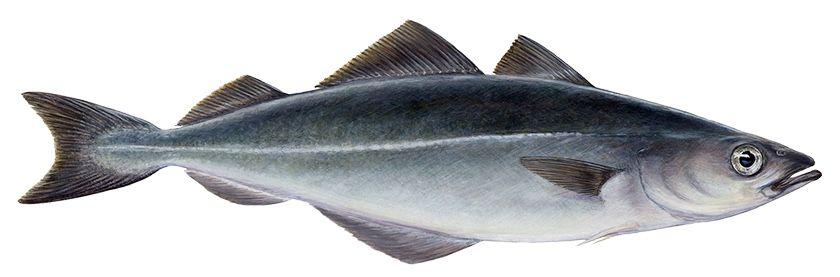
Saithe Overview
The Saithe (Pollachius virens) is a fascinating member of the Gadidae family, order Gadiformes, and one of the Atlantic's most commercially and recreationally important fish. With its distinctive silvery body, blue-black upper coloring, and characteristic pale stripe running along its side, the saithe is instantly recognizable to experienced anglers and seafood enthusiasts alike. What makes this fish truly remarkable is its ability to thrive in some of the world's most extreme environments—including the legendary Saltstraumen in Norway, where tidal currents are so powerful they move 400 million cubic meters of water through a narrow passage. For centuries, saithe have been a cornerstone of Norwegian cuisine and remain a prized catch for both commercial and recreational fishing operations throughout the Atlantic.
Saithe Habitat and Distribution
Saithe are widely distributed throughout the Atlantic Ocean, with their stronghold along the Norwegian coast where they've adapted to diverse marine conditions. These pelagic fish are found throughout the Barents Sea, around Spitsbergen, in the Bay of Biscay, and around Iceland in the Eastern Atlantic. In the Western Atlantic, populations range from the southwest coast of Greenland down to North Carolina, though they're most abundant in northern regions. Juveniles prefer rocky shore areas in schools, seeking the protection and food availability of shallow waters, while adults migrate to deeper offshore territories between 200 and 600 feet, where they pursue larger prey and experience the colder temperatures they prefer. The Saltstraumen waterway in Norway remains one of the most remarkable habitats for this species, where saithe have evolved to survive in conditions that would challenge most fish species.
Saithe Size and Weight
Saithe typically range from 14 to 51 inches in length, with most caught specimens falling between 20 and 47 inches. These fish grow steadily throughout their lifespan, which averages 16 to 20 years but can extend to 25 years under ideal conditions. Weight varies considerably based on age and condition, with juveniles starting around 3 pounds and adults routinely reaching 20 to 30 pounds. The current IGFA All-Tackle World Record stands at an impressive 50 pounds, a specimen caught in the powerful waters of Saltstraumen, Norway—a testament to the exceptional growth potential of this species in nutrient-rich Atlantic waters.
Saithe Diet and Behavior
The dietary preferences of saithe shift dramatically as they mature, reflecting their transition from inshore to offshore living. Young saithe feed inshore on small crustaceans, copepods, and krill, grazing in shallow rocky areas where these prey items are abundant. As they grow, their diet becomes increasingly sophisticated—mature saithe are voracious hunters targeting herring, sprat, blue whiting, haddock, and Norway pout. These are strong, efficient swimmers capable of migrating over large ranges in search of food and spawning grounds. Interestingly, some saithe populations have learned to congregate around salmon farms to feed on uneaten pellets, though this diet reportedly produces flesh with less desirable flavor when cooked. Their feeding behavior is most active during dawn and dusk periods, making these prime times for anglers pursuing this species.
Saithe Spawning or Seasonal Activity
Saithe are migratory spawners, though the exact patterns of their movements remain incompletely understood by marine biologists. Spawning generally occurs between September and March, with peak activity from November to February in the Western Atlantic. During reproductive cycles, females demonstrate remarkable fecundity, capable of laying anywhere from 220,000 to an astounding 9 million eggs depending on their size. These fish can reproduce multiple times throughout their lifespan, contributing to stable populations in well-managed fisheries. Understanding these seasonal movements is crucial for both commercial operators and recreational anglers planning expeditions during optimal periods for encountering spawning aggregations or hungry pre-spawn feeders.
Saithe Techniques for Observation or Capture
Bait Fishing Method: Saithe are exceptionally responsive to live and dead bait presentations, earning a reputation as one of the more cooperative gamefish. Mackerel, herring, cod, ragworms, and shellfish all work excellently when presented whole or cut into strips. A size 2/0 hook with a full barb provides adequate strength and range for these robust fish. In rocky bottom environments, employ a weak-link or rotten-bottom rig to prevent losing expensive tackle when snagging occurs. For clearer waters or when targeting suspended fish, a sliding float rig with a narrow float and ball or barrel-shaped weight spaced at least 1 foot from your hook works exceptionally well. Creative anglers often use naturally-bored bolts, nuts, or rocks as makeshift weights to further reduce tackle loss.
Artificial Lure Method: Bright-colored soft lures measuring 3 to 5 inches—particularly redgill and jelly patterns—consistently produce results, especially during dawn and dusk feeding windows. In clearer Atlantic waters, silver or blue soft lures that mimic sand eels and sprats prove most effective. Crankbaits and spinners excel in rocky, mid-depth terrain where saithe actively hunt. Around Norway's famous fishing destinations and throughout the Norwegian coast, local guides often recommend combining lure techniques with knowledge of tidal movements, as saithe feeding activity intensifies during specific tidal phases in locations like Saltstraumen.
Location-Specific Tactics: Juvenile saithe congregate in schools around rocky shore structures, making these ideal locations for consistent catches during warmer months. Adult fish are found in deeper offshore waters, requiring boat access and sounder technology to locate productive feeding zones. In the Saltstraumen region of Norway, the extraordinary tidal currents actually concentrate saithe, making this location legendary among serious anglers seeking trophy specimens and consistent action.
Saithe Culinary or Utilization Notes
Saithe possess a long and storied history as a culinary staple, with roots extending back centuries in Norwegian cuisine—particularly before modern refrigeration made preservation necessary. Today, this fish remains commercially valuable and highly prized by seafood enthusiasts. The meat is firm, white, and flavorful, offering a delicate taste that works beautifully in traditional Scandinavian preparations. Nutritionally, saithe are exceptional, providing abundant protein, vitamin D, vitamin B12, selenium, and iodine—nutrients that supported human health and development throughout Nordic history. Interestingly, saithe was historically used as a dietary staple for cats before commercial pet food existed. Traditional preservation methods like Gammelsalta sei, a fermentation technique involving barrels and salt, remain culturally significant in Norway. However, it's worth noting that saithe feeding around salmon farms on waste pellets develop less flavorful flesh, making wild-caught specimens preferable for culinary purposes. For the best eating quality, target saithe from open ocean waters rather than farm-influenced populations.
Saithe Frequently Asked Questions
Q: What is the best bait for catching saithe?
A: Mackerel and herring are the most reliable choices, presented whole or cut into strips on size 2/0 hooks. Ragworms and shellfish also attract strikes, particularly from larger specimens. The key is matching bait size to your target fish size and water conditions.
Q: Where can I find saithe near Norway's coast?
A: Saithe are distributed throughout Norwegian waters, but the Saltstraumen near Bodø represents the most famous and productive location. The legendary tidal current concentrates these fish and produces record-class specimens. Younger fish prefer rocky shore areas throughout the Norwegian coast, while mature fish are found in deeper offshore waters.
Q: Is saithe good to eat?
A: Absolutely. Saithe provide firm, white, flavorful meat rich in protein, vitamin D, vitamin B12, selenium, and iodine. Wild-caught specimens from open ocean offer superior flavor compared to fish feeding around salmon farms. Traditional Norwegian preparations remain popular throughout Scandinavia.
Q: When is the best time to catch saithe?
A: Spawning season from November to February in the Western Atlantic concentrates fish and triggers aggressive feeding. However, saithe remain catchable year-round. For lure fishing, dawn and dusk periods are most productive when these fish actively hunt. Consider tidal movements, particularly in locations like Saltstraumen, where tidal cycles dramatically influence feeding activity.
Q: How do I distinguish saithe from other pollock species?
A: The distinctive pale stripe running along the saithe's side is the most reliable field mark. Additionally, saithe possess a barbel (fleshy filament) on their lower jaw, and their upper and lower jaws are evenly matched—features distinguishing them from closely related European pollock (Pollachius pollachius) and Alaskan pollock.
Q: What tackle setup works best for saithe in rocky areas?
A: Use a weak-link or rotten-bottom rig to protect against snags on rough bottoms. Alternatively, a sliding float rig with a narrow float and naturally-bored weights proves effective. These setups allow you to fish productive rocky terrain without constantly losing expensive tackle to the seafloor.